
On October 14, a significant milestone was marked in the history of homebrewing as the day when homebrewing was officially legalized in the United States. This pivotal moment came to fruition in 1978, thanks to President Jimmy Carter, with the law taking effect the following year. Homebrewing, which had been prohibited during Prohibition, experienced a resurgence in popularity post-legalization due to the ease of sourcing ingredients and the relative safety of producing beer compared to other alcoholic beverages.

While this legalization was a monumental step forward, various states, counties, and cities still maintained their own set of laws that posed restrictions on homebrewers. However, the homebrewing community played a crucial role in shaping the craft beer industry, with many professional brewers starting their journey in basements and garages, experimenting with different brewing methods and tools.

Over the years, the landscape of homebrewing laws has evolved, with many outdated and restrictive regulations being revised to align with the current cultural shift towards embracing craft beer and homebrewing. Despite this progress, some states continue to uphold stringent laws that limit the freedom of homebrewers, albeit with varying degrees of enforcement.
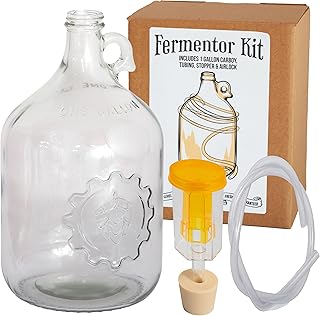
While the federal legalization opened doors for homebrewers, some states still impose restrictions on alcohol content, with varying limits on alcohol by volume or weight. States such as Tennessee, Mississippi, West Virginia, North Carolina, South Carolina, and Oklahoma have specific regulations governing the maximum allowable alcohol content in homebrewed beer.
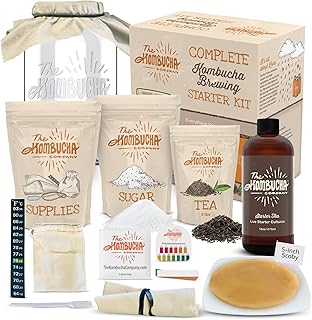
Utah, Oklahoma, Alabama, and Mississippi were among the states that legalized homebrewing in the late 2000s and early 2010s, highlighting the gradual shift towards more permissive brewing laws across the country. However, certain areas within states, such as dry counties in Mississippi, continue to uphold stringent alcohol regulations.

State-specific regulations also dictate the volume of homebrew that individuals can produce annually, with limits ranging from 50 to 200 gallons based on household size and location. Some states like Idaho mandate the use of native-grown ingredients in brewing, while others like Iowa categorize beer based on alcohol content, imposing restrictions on ingredients and bottle exchanges.

Legislative changes, such as Colorado’s House Bill 1084, have aimed to broaden the scope of who can legally brew beer, reflecting a more inclusive approach to homebrewing laws. Additionally, grassroots efforts by the homebrewing community in states like New Jersey have led to the repeal of burdensome licensing requirements for homebrewers.
Transporting homebrewed beer also presents challenges, with restrictions on using postal services for shipment and limitations on the quantity that can be transported for personal use. States like Tennessee have strict laws prohibiting the transport of large quantities of beer for distribution purposes, affecting homebrewers participating in competitions or sharing beer with friends.
Despite the evolving landscape of homebrewing laws, the spirit of innovation and camaraderie within the homebrewing community continues to thrive, shaping the craft beer industry and fostering a culture of creativity and experimentation.
📰 Related Articles
- Rapper Gunna Leads AI Music Revolution in Industry Evolution
- President Carter’s Legacy: Craft Beer Revolution in America
- Homebrewing Renaissance Fuels Craft Beer Innovation and Growth
- Fashion Evolution: The 1990s Trend Revolution Unveiled
- Evolution of B2B SaaS Growth Hacking with AI Revolution