
Elderflowers, with their fragrant blossoms, mark the onset of summer, offering a bounty of fresh produce waiting to be foraged. These creamy-white blooms, found on the Sambucus nigra or common elder tree, typically flower from May to June, varying slightly depending on the weather conditions. The mild winter of 2019 promises a plentiful elderflower harvest, making it an ideal time for enthusiasts to explore the hedgerows for these delicate flowers.
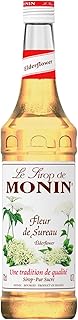
These large shrubs or small trees, known for their flat-headed sprays of tiny, white flowers, are a common sight in both urban and rural landscapes, thriving in various environments such as hedges, footpaths, and gardens. When harvesting elderflowers, it is essential to seek permission from landowners, avoid flowers close to busy roads or contaminated by animals, and choose a dry, sunny morning to collect the blooms at their freshest.

Once harvested, elderflowers can be transformed into a variety of delectable treats, from refreshing beverages to delightful desserts. One popular recipe is elderflower champagne, a fizzy, floral drink made by fermenting the flowers with sugar, lemon, and white wine vinegar. The process involves allowing the mixture to sit for 24 hours before straining and bottling the liquid to develop its effervescence over a couple of weeks.
For those seeking a non-alcoholic option, elderflower cordial presents a sweet and aromatic alternative. By infusing elderflowers with sugar, citrus zest, and water, a versatile cordial is created that can be diluted with water or mixed into various cocktails and culinary delights. The cordial’s versatility extends to being used in baking, adding a unique twist to dishes like crumbles, cakes, and jams.
For a more indulgent treat, elderflower fritters offer a crispy and floral snack that can be enjoyed as a starter or dessert. By dipping elderflowers in a light batter and frying them until golden, a delightful treat is ready to be enjoyed, either dusted with sugar or drizzled with honey. Additionally, green elderflower buds can be pickled as a caper substitute, providing a tangy addition to dishes.

Further expanding the culinary possibilities, elderflower can be incorporated into recipes such as marshmallows, cheesecakes, and homemade liqueurs, offering a range of creative options for those looking to experiment with this seasonal ingredient. Whether enjoyed in a refreshing drink, a decadent dessert, or a savory dish, elderflower adds a unique and aromatic touch to culinary creations.
As the summer unfolds, the versatility of elderflower recipes provides a delightful way to savor the flavors of the season, showcasing the abundance of nature’s bounty in a range of delicious and innovative dishes. Whether foraging for flowers in the countryside or cultivating them in a garden, the delicate aroma and flavor of elderflowers offer a taste of summer that can be enjoyed in various culinary creations.
📰 Related Articles
- Summer Strawberry Recipes: Culinary Delights for Every Palate
- Chicago Summer Festivals Celebrate Music, Art, and Culinary Delights
- Buenos Aires Culinary Delights: A 24-Hour Gastronomic Adventure
- Whalefall’s Poco: Free Steam Game Delights Users with Unique Adventure
- War Band Celebrates Iconic Sound and Culinary Delights