
When it comes to storing Champagne and other sparkling wines, ensuring they are kept at their best is crucial for a delightful drinking experience. These wines are renowned for their festivity and deliciousness, making them a staple for celebrations. Knowing how to store Champagne correctly is key to preserving its flavors, effervescence, and overall quality. Whether you plan to keep the bottles for a few hours, days, or even years, following essential steps will help maintain the freshness, vibrancy, and fizziness of your bubbles.
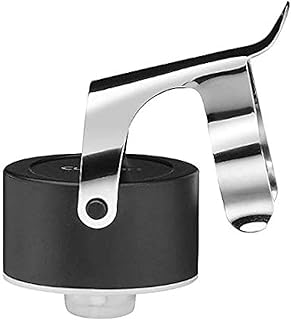
Elise Cordell from Perrier-Jouet and G.H. Mumm Champagnes emphasizes the importance of proper storage to maintain wine quality. Incorrect storage can lead to muted flavors, diminished effervescence, and disappointing experiences. Wine experts like Mathieu Roland-Billecart and Hervé Dantan warn that improper storage can result in bad tastes, premature aging, and even leaking bottles in extreme cases.

Champagne has excellent aging potential due to its high acidity, especially when stored in larger bottles like magnums. Factors such as temperature, light exposure, humidity, and bottle positioning play crucial roles in Champagne storage. Maintaining an even, slightly cool temperature, avoiding direct sunlight, ensuring optimal humidity levels, and storing bottles horizontally are essential practices for preserving the wine’s quality.
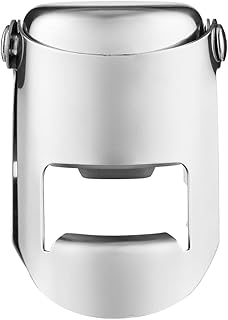
For short-term storage, refrigeration is suitable, keeping the wine chilled and away from light. However, for longer storage, cellaring in a dark, cool place with stable temperature and humidity is recommended. Wine refrigerators offer a convenient solution for maintaining ideal storage conditions, especially for budding wine collectors.
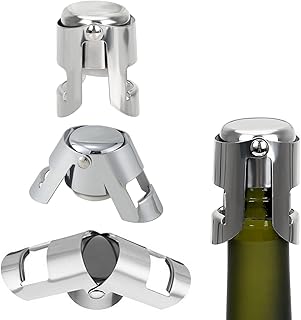
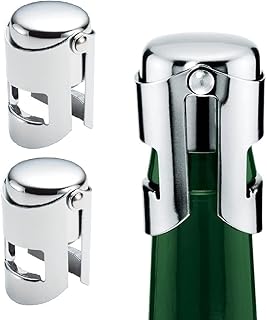
If you have leftover Champagne, preserving its sparkle after uncorking is challenging. While sparkling wine stoppers can provide a temporary fix, it’s best to finish the bottle on the same day. In cases where Champagne storage goes awry, options like chilling the wine or decanting it may help mask off-flavors. However, if the wine exhibits poor flavor, flat taste, bad color, foul odor, or other unpleasant characteristics, it may be beyond salvaging.
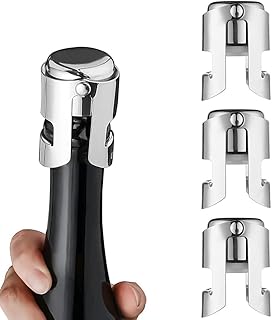
Despite diligent storage efforts, occasional issues like dried-out corks or undesirable tastes may arise. In such situations, chilling the wine or decanting it could offer temporary relief. However, if the wine shows signs of spoilage, it may be best to discard it. By following proper storage practices and being mindful of key factors, you can ensure that your Champagne and sparkling wines are enjoyed at their best, making every celebratory moment a memorable one.
📰 Related Articles
- Expert Tips for Safely Storing Garden Items Indoors
- Winton Races: Expert Tips and Selections for Exciting Day
- Troubleshooting Brother MFC-L8900CDW Printer Printing Issues: Expert Tips
- Transform Movie Night with Interactive Table Reads: Expert Tips
- Transform Boxed Cake Mixes with Expert Tips for Homemade Perfection