
During the COVID-19 stay-at-home orders, a surge of social media posts on fermentation projects like sourdough starters and beer brewing emerged, reflecting a trend towards at-home culinary experiments. The appeal lies in the simplicity and time-consuming nature of fermentation, offering structure and creativity in uncertain times.
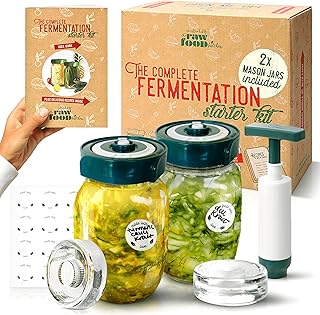
While sourdough and beer brewing took the spotlight, one lesser-known fermentation process remained largely unexplored by home cooks: nukazuke, Japanese rice bran pickles. Originating in 17th-century Japan, nukazuke pickles are created through a daily fermentation process using a cultured bran bed called nukadoko, made from bran, salt, and water.
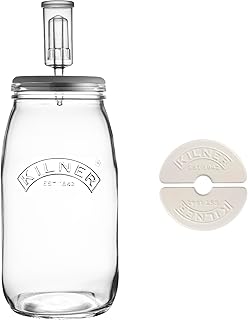
Unlike traditional pickles made with vinegar, nukazuke relies on lactobacillus bacteria naturally found on vegetable skins to ferment the vegetables buried in the nukadoko. This continuous fermentation process results in quick pickling, echoing the principles of a sourdough starter but without the need for flour or yeast.
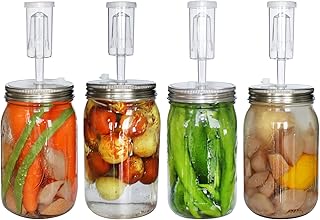
Renowned fermentation expert Adam James explains that the nukadoko’s acidity increases as bacteria multiply, creating an ideal environment for pickling. The process not only yields flavorful pickles but also extends the shelf life of vegetables, making it a practical and sustainable kitchen project.

Creating a nukadoko at home is relatively simple, requiring common pantry ingredients like rice bran, water, and salt. The mixture, resembling wet sand, serves as a base for burying vegetable scraps, initiating the fermentation process. Aromatics like ginger, miso, or seaweed can be added for enhanced flavor.

With daily care and vegetable replacements, the nukadoko develops a sour scent within a week or two, signaling readiness for pickling. Vegetables like cucumbers, carrots, and radishes can be pickled in a matter of hours to days, depending on their density and environmental conditions.

Home cooks can experiment with different vegetables and pickling durations to achieve their desired flavors. The nukazuke pickles offer a unique taste profile, distinct from commercial varieties, adding a touch of novelty to homemade culinary creations.
Despite the initial learning curve, engaging in nukazuke pickling can be a comforting and grounding experience amidst uncertainty. The daily routine of tending to the nukadoko provides a sense of continuity and purpose, offering a creative outlet and a tangible connection to the art of fermentation.
As the popularity of at-home fermentation projects continues to rise, exploring traditional techniques like nukazuke pickling offers a glimpse into culinary practices rooted in history and cultural heritage. Embracing these age-old methods not only enriches our gastronomic experiences but also fosters a deeper appreciation for the art of fermentation.
📰 Related Articles
- Soy Sauce and Vanilla Ice Cream: A Surprising Culinary Trend
- Innovative Breakfast Bowls: A Culinary Trend for Morning Delights
- Hyper-Realistic Cake Trend: Culinary Art Meets Visual Illusion
- Zebra Print Emerges as Spring Fashion Trend Among Designers
- Wrap Trousers: The Latest Chic Trend Taking Fashion by Storm