When it comes to understanding the craft beer industry, off-premise scan data often takes the spotlight. And for good reason - it provides valuable insights into consumer behavior and trends. However, it's important to dive deeper into the world of packaged craft beer to uncover the nuances that may be missed in high-level data reports.
According to the Brewers Association's Beer Industry Production Survey, nearly seven in ten taproom or brewpub respondents distribute at least some of their production. This means that even breweries focused on on-premise business still find relevance in packaged beer. In 2025, BA-defined craft represented 5.7% of NIQ's off-premise dataset, down slightly from the previous year. This data sets the stage for a closer look at how packaged craft beer performed in the market.
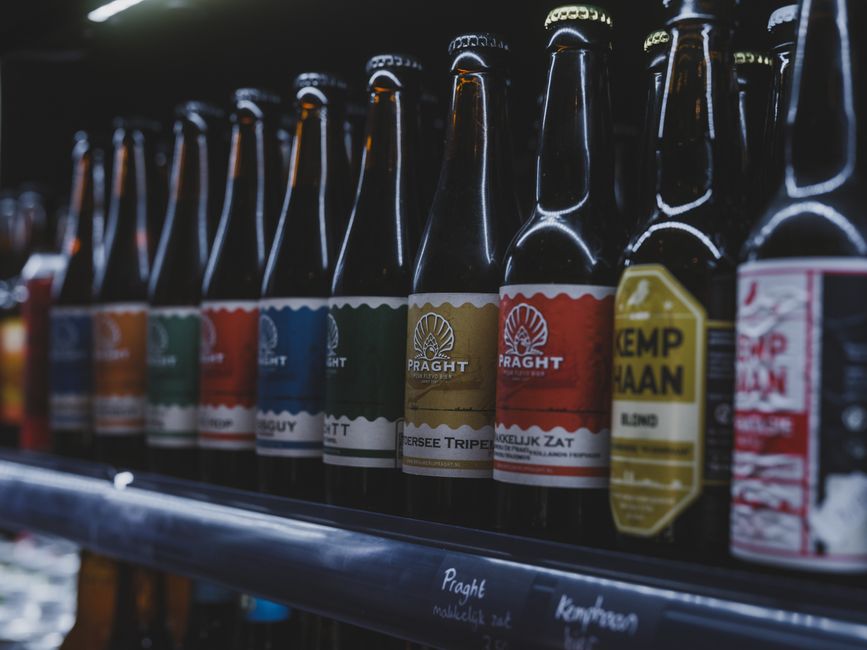
Container type plays a significant role in the packaging of craft beer, with aluminum cans continuing to dominate the market. In 2025, cans accounted for 78% of packaged volume, showing a steady increase from previous years. While cans have become the package of choice for many breweries, there are still variations by state. States like Rhode Island, Vermont, and Montana have high can shares, possibly due to their association with outdoor activities where cans are more convenient.
On the other hand, states like Mississippi and Kansas have lower can shares, indicating a preference for bottles in more formal or special occasion settings. The choice between cans and bottles also seems to be influenced by urbanization, with states having higher percentages of urban populations leaning towards cans. This dynamic highlights the multifaceted nature of consumer preferences and behaviors in the craft beer market.
When it comes to pack sizes, six-packs continue to hold the largest share in BA craft, accounting for 45% of volume and dollar sales. However, there has been a slight decline from previous years, indicating a shift in consumer preferences towards different pack sizes. This quest for value and variety has led to extremes in pack sizes, with breweries experimenting with different packaging options to cater to diverse consumer needs.
As the craft beer industry continues to evolve, understanding the trends in packaged craft beer is essential for breweries to stay competitive and relevant in the market. By delving deeper into data beyond high-level reports, industry players can uncover valuable insights that inform product development, marketing strategies, and overall business decisions. The nuances in container type, pack size, and regional variations offer a rich tapestry of information that paints a comprehensive picture of the craft beer landscape.